When your mind feels crowded with worry, self-doubt or uncertainty, taking a few quiet minutes to pause can help you reconnect with a greater sense of calm.
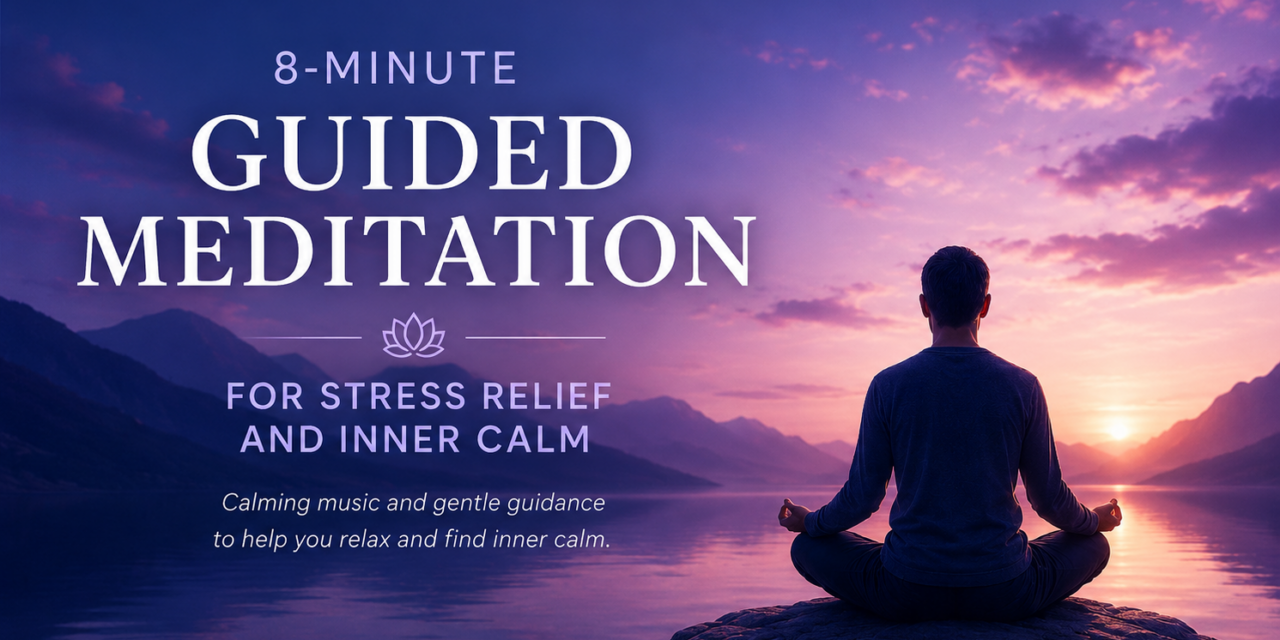
This 8 minute guided meditation for stress relief combines spoken guidance with original calming music. It was created to help you step away from repetitive thoughts, release some of the tension you may be carrying and gently redirect your attention towards acceptance, confidence and positive possibilities.
You do not need any previous meditation experience. Simply find a comfortable place, listen to the guidance and allow yourself these eight minutes to slow down.
Begin the 8-Minute Guided Meditation
Find somewhere quiet where you are unlikely to be disturbed. You can sit in a supportive chair or lie down if that feels more comfortable.
Before beginning:
- Silence any unnecessary notifications
- Allow your hands and shoulders to relax
- Take a slow, comfortable breath
- Give yourself permission to pause without needing to achieve anything
When you are ready, play the guided meditation below.
There is no need to force yourself to feel calm. Follow the spoken guidance, listen to the music and allow the experience to unfold naturally.
What This Meditation Focuses On
Stress and anxiety can sometimes leave the mind caught in cycles of worry, self-doubt and uncertainty. This meditation uses a simple guided process to help you observe those thoughts without becoming completely absorbed by them.
During the meditation, you will be encouraged to move your attention away from inner conflict and towards:
- Acceptance of the present moment
- A calmer and more positive focus
- Greater confidence in yourself
- Mental space and clarity
- A gentler relationship with uncertain thoughts
The purpose is not to deny difficult feelings or force them to disappear. Instead, the meditation creates a quiet space in which you can breathe, listen and reconnect with yourself.
How Calming Music Supports the Experience
Music can provide a helpful focus during meditation. Following a gentle melody, sustained tone or quiet rhythm can make it easier to bring your attention back to the present whenever your thoughts begin to wander.
The original background music in this meditation was composed to create a slow and peaceful atmosphere beneath the spoken guidance. The voice provides a direction for the mind, while the music offers a calming space in which to reflect.
You might notice the melody, the spaces between sounds or the way different tones make you feel. There is no right or wrong way to listen.
To explore the wider relationship between music, relaxation and emotional wellbeing, read The Healing Effects of Music on the Brain.
My Inspiration for Creating This Meditation
This recording marked an important step in my development as a healing musician. It was the first video I created in which my voice provided most of the meditative guidance.
I wanted to bring spoken words and original music together so that each element could support the other. The guidance helps direct the listener through the meditation, while the music creates room for stillness, imagination and personal reflection.
Creating the meditation also allowed me to explore how music can support a change in focus—from uncertainty and mental tension towards calmness, acceptance and greater inner confidence.
The Third Eye Chakra Connection
From an energetic and spiritual perspective, I associate this meditation with the Third Eye Chakra.
The Third Eye Chakra is traditionally connected with:
- Clarity
- Concentration
- Imagination
- Intuition
- Inner awareness
The music was created with this energetic theme in mind. You do not need to follow chakra practices to use the meditation, however. It can also be enjoyed simply as a short period of guided relaxation supported by peaceful music.
You can learn more about working with music and the chakra system in the Complete Guide to Chakra Healing with Music.
When Can You Use This Meditation?
You can return to this guided meditation whenever you need a brief pause from a demanding or emotionally busy day.
You may find it helpful:
- During a quiet morning routine
- After work or a stressful experience
- When your thoughts feel repetitive
- Before journalling or reflection
- As part of an evening relaxation routine
- Whenever you need eight minutes for yourself
Avoid listening while driving, operating equipment or doing anything that requires your full attention.
For help creating a consistent practice, visit How to Create a Daily Healing Music Ritual.
Tips for Getting the Most From the Meditation
Use headphones if they feel comfortable
Headphones can make it easier to notice the quieter details within the music and reduce outside distractions. They are optional, however, and the meditation can also be played through speakers.
Keep the volume gentle
Choose a comfortable level at which you can clearly hear the voice without the music feeling overpowering.
Allow thoughts to come and go
It is normal for your attention to wander during meditation. When you notice this happening, gently return to the voice, the music or the natural movement of your breathing.
Repeat the meditation when needed
Meditation often feels different from one day to another. On some occasions you may feel deeply relaxed, while at other times your mind may remain active. Both experiences are normal.
The purpose is not to perform the meditation perfectly. The practice is simply to pause and return your attention whenever you become distracted.
Download the Guided Meditation MP3
Would you prefer to listen without watching the video?
The MP3 version allows you to return to the meditation whenever you need a few quiet minutes at home or while relaxing with headphones.
Download the Guided Meditation for Stress and Anxiety Relief MP3
Learn More About Meditation for Anxiety Relief
This page has been created primarily as a place to experience my original eight-minute meditation.
For a more detailed guide to combining breathing, body awareness and calming music, read Guided Meditation for Anxiety Relief: Using Music to Calm the Mind and Body.
The two pages have different purposes: this page provides the complete meditation experience, while the accompanying guide offers practical information about creating your own calming meditation practice.
Frequently Asked Questions
How long is this guided meditation?
The complete guided meditation lasts approximately eight minutes. This makes it suitable for people who want a short relaxation practice that can fit into a busy day.
Is this meditation suitable for beginners?
Yes. You do not need previous meditation experience. Find a comfortable position, begin the recording and follow the spoken guidance as naturally as you can.
Can I use the meditation before sleep?
You can listen as part of an evening relaxation routine, provided you are in a safe and comfortable place. The meditation was created for relaxation rather than specifically as a sleep recording.
Do I need headphones?
No. Headphones may help reduce distractions and make the quieter elements easier to hear, but they are not essential.
How often can I use it?
You can return to the meditation whenever it feels supportive. Some people may enjoy listening regularly, while others may use it occasionally during demanding or uncertain periods.
What should I do if my mind keeps wandering?
A wandering mind is a normal part of meditation. Notice that your attention has moved and gently bring it back to the spoken guidance, music or breathing. There is no need to criticise yourself.
Do I need to believe in chakras?
No. Although the meditation has an energetic association with the Third Eye Chakra, it can also be experienced simply as calming music and spoken relaxation guidance.
A Gentle Final Thought
You do not always need a long practice to create a meaningful pause.
Eight quiet minutes can provide an opportunity to step back from mental noise, listen to your breathing and reconnect with a more peaceful part of yourself.
Allow the music to support you, follow the guidance without placing pressure on yourself and remember that meditation is a practice rather than a performance.
Wellbeing Note
This guided meditation is intended for relaxation, reflection and general wellbeing. It is not a replacement for medical advice, counselling, mental health treatment or support from a qualified professional.
If anxiety is persistent, severe or affecting your daily life, please consider speaking with your GP or an appropriate mental health professional..
Continue Exploring
If you found this meditation helpful, you may also enjoy these related Music Energetics articles:
Share Your Experience
How did you feel after completing the meditation?
Did the voice, music or quiet breathing space help you feel more relaxed or mentally settled?
You are warmly invited to share your experience in the comments below.
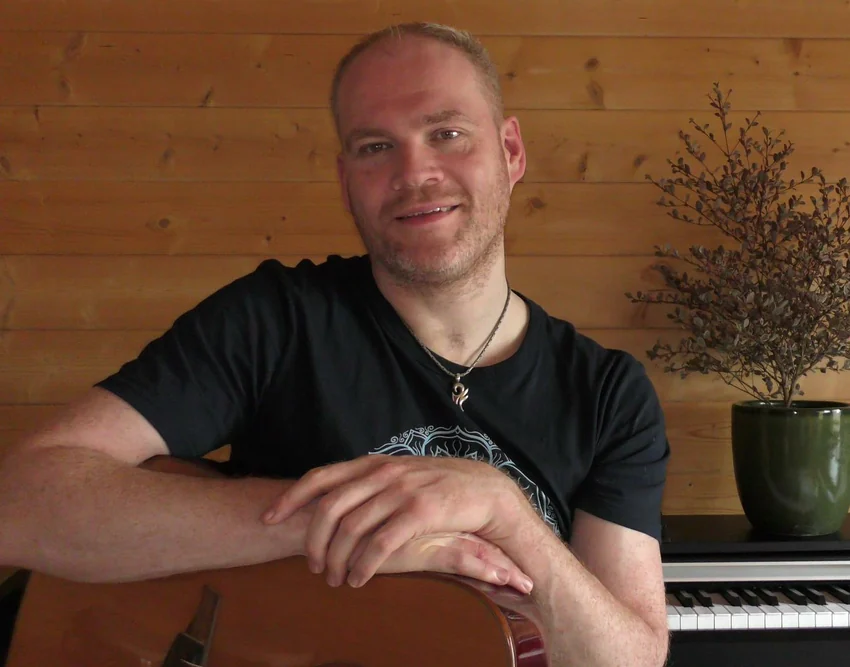
Music, spoken guidance and video created by Paul Grout