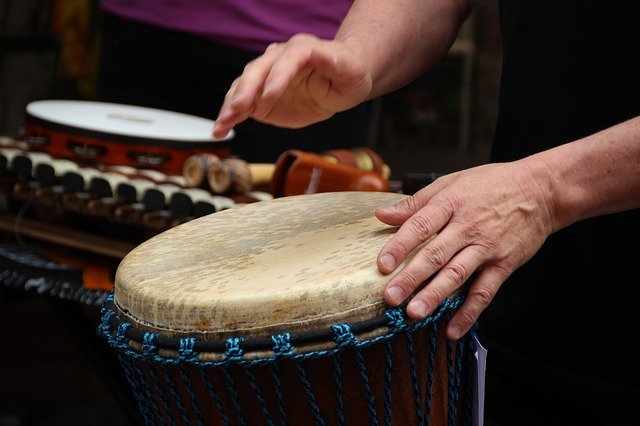
Drumming is one of the oldest and most natural forms of musical expression. Long before modern instruments, recording technology or written music, human beings used rhythm to communicate, celebrate, gather, heal and connect.
There is something very grounding about the sound of a drum. A steady rhythm can help bring the body into the present moment. It can calm a busy mind, release emotional tension and awaken energy in a way that feels both simple and powerful.
For me personally, even a few minutes of active drumming can feel like a healthy release. It gives the body something constructive to do with stress, frustration, anxiety or emotional heaviness. Rather than keeping those feelings trapped inside, rhythm allows them to move.
Drumming is not only a musical activity. It can also become a mindful practice, a physical release, a creative outlet and a way to reconnect with the body.
In the educational video below, I share how drumming has supported my own wellbeing, how rhythm can affect the brain and body, and how you can begin exploring drumming for yourself.
Watch the Educational Video: The Health Benefits of Drumming
Place your video here near the top of the post.
In this video, I explore:
- How drumming can support personal health and happiness
- The effects of rhythm and drumming on the brain
- How drumming may help with stress, emotional release and clarity
- Beginner tips for choosing a drum and starting your own practice
- How to find local drumming groups or circles
Take a few moments to watch the video, then continue reading for a deeper look at why drumming can be such a powerful wellbeing practice.
Why Drumming Feels So Good
Drumming is physical, emotional and creative all at once.
When you drum, you are not only listening to sound. You are creating sound through movement. Your hands, arms, breath, posture, attention and emotions all become part of the rhythm.
This can be deeply satisfying because it gives the mind and body a shared focus. Instead of being caught in overthinking, you begin to feel the beat. Instead of holding tension silently, you allow energy to move through your body.
This is one reason drumming can feel so freeing. It does not require perfect technique to be beneficial. Even a simple repeated rhythm can help you feel more present, grounded and connected.
Drumming can support:
Stress relief
Emotional release
Mind-body awareness
Creativity
Focus and concentration
Confidence
Physical coordination
A sense of connection with others
For many people, rhythm becomes a way of returning to themselves.
Drumming for Stress Relief
Stress often builds up in the body. It may appear as tension in the shoulders, shallow breathing, racing thoughts, irritability, restlessness or a feeling of being overwhelmed.
Drumming gives the body a safe and active way to release some of that pressure.
The repetitive nature of rhythm can help settle the mind because it gives your awareness something clear to follow. Instead of trying to force yourself to relax, you allow the beat to guide you into a more present state.
Even five minutes of drumming can create a shift. You may notice your breathing deepen, your body loosen, or your thoughts become less intense.
This is not about playing perfectly. It is about giving your body permission to move, express and release.
You may also enjoy reading my article on how to use healing music for emotional release, as rhythm and sound can both help emotions move gently through the body.
Drumming and Emotional Release
Sometimes emotions need movement.
Sadness, anger, anxiety and frustration can become heavy when they are pushed down or left unexpressed. Drumming can offer a healthy outlet because it allows those feelings to be expressed through sound rather than words.
This can be especially helpful when you do not know exactly what you are feeling. You may not have the right words, but your body may still understand rhythm.
A strong beat can help release anger or tension.
A steady rhythm can help calm anxiety.
A soft drum pattern can feel grounding and reassuring.
A group rhythm can create connection and belonging.
Drumming does not force emotion. It gives emotion a pathway.
This is why rhythm can be such a powerful part of healing music, meditation and sound-based wellbeing practices.
How Drumming Affects the Brain
Drumming is also a wonderful brain activity.
When you play a drum, your brain is coordinating movement, timing, listening, memory, attention and creativity at the same time. This makes drumming a full mind-body experience.
Research from Ruhr University Bochum found that experienced drummers showed differences in the corpus callosum, the structure that connects the two hemispheres of the brain, and suggested that their motor brain areas were organised more efficiently.
This makes sense when you think about what drumming involves. A drummer may use both hands, both feet, timing, rhythm changes and listening skills all together. Even simple drumming encourages coordination between the left and right sides of the body.
For beginners, this can be a fun way to improve focus, timing and coordination. You may feel clumsy at first, but that is part of the learning process. With practice, rhythm begins to feel more natural.
Drumming and Mental Wellbeing
Group drumming has also been studied for its possible mental health benefits. Research reported by the Royal College of Music found that a 10-week group drumming programme was associated with reductions in depression and anxiety, as well as improvements in social resilience and mental wellbeing.
This does not mean drumming is a replacement for professional mental health care. However, it does suggest that rhythm, music-making and group connection can play a supportive role in emotional wellbeing.
There is something very powerful about making music with other people. In a drum circle, you do not have to be the best player. You simply contribute to the shared rhythm.
This can create a sense of belonging, confidence and connection.
Drumming as a Mindfulness Practice
Many people think mindfulness means sitting still in silence. However, mindfulness can also happen through movement, sound and rhythm.
Drumming naturally brings you into the present moment because you have to listen and respond. You become aware of the beat, your hands, your breath and the sound you are creating.
A simple mindful drumming practice may look like this:
Sit comfortably with your drum.
Take a slow breath in and out.
Begin with a soft, steady beat.
Listen closely to the sound.
Notice how the vibration feels in your hands and body.
Allow your rhythm to stay simple.
Keep returning your attention to the beat.
This can be a beautiful way to calm mental noise and reconnect with the body.
You may also enjoy my guide on what sound is and how sound affects music, healing and wellbeing, as drumming is a powerful example of sound vibration in action.
The Physical Benefits of Drumming
Drumming is not just mental or emotional. It is physical too.
Depending on the type of drum and how actively you play, drumming can involve the hands, wrists, arms, shoulders, back, legs and core. It can raise energy, improve coordination and encourage movement.
Some physical benefits may include:
Improved hand-eye coordination
Better timing and rhythm awareness
Gentle upper-body movement
Improved motor control
A feeling of increased energy
A healthy outlet for physical tension
Drumming can be gentle or energetic depending on what you need. A soft hand drum rhythm may feel calming, while a more active rhythm may feel energising and expressive.
Always listen to your body. If you have pain, injury or mobility issues, begin gently and choose a comfortable playing position.
Drumming, Creativity and Confidence
One of the most beautiful things about drumming is that it can awaken creativity quickly.
You do not need to know complex music theory to begin. You can start with one simple beat and build from there. Over time, you may begin to experiment with different rhythms, speeds, accents and patterns.
This can help build confidence because you realise you are capable of creating music.
Many people say, “I am not musical,” but rhythm is already part of life. Your heartbeat is rhythm. Your breathing is rhythm. Walking is rhythm. Speech has rhythm.
Drumming helps you reconnect with something that is already within you.
For more on this theme, you may enjoy reading how to use music for inspiration and creativity.
How to Start Drumming as a Beginner
You do not need expensive equipment to begin.
A simple hand drum, frame drum, djembe, cajon or even a practice pad can be enough. The most important thing is to choose something you enjoy playing.
Here are a few beginner tips:
Start with a simple steady beat.
Play slowly before trying to play fast.
Use both hands gently and evenly.
Listen to the tone of the drum.
Practise for 5 to 10 minutes at a time.
Let rhythm feel enjoyable rather than pressured.
Try playing along with calming music or a metronome.
You can also explore local drumming groups, community music workshops or drum circles. Search online for terms such as “local drumming group,” “drumming circle near me” or “community percussion workshop.”
Group drumming can be especially enjoyable because you learn by listening and joining in.
A Simple 5-Minute Drumming Practice for Wellbeing
Here is a short practice you can try.
Sit comfortably with your drum in front of you.
Take three slow breaths.
Begin with a soft heartbeat rhythm:
dum… dum… dum… dum…
Keep the rhythm steady and simple.
As you play, imagine any stress or tension leaving your body through the sound.
After one or two minutes, allow the rhythm to become slightly stronger.
Notice how your body feels.
Then gradually soften the rhythm again.
End by placing your hands gently on the drum and taking one final deep breath.
You may wish to ask yourself:
How do I feel now?
Has my breathing changed?
Do I feel calmer, clearer or more energised?
This simple practice can be used whenever you need to release tension, reconnect with your body or calm your mind.
Drumming and Sound Healing
Drumming has been used in many cultures as part of ceremony, healing, meditation and community gathering.
From a sound healing perspective, the drum can be seen as a grounding instrument. Its deep, earthy tone can help bring awareness back into the body. The repetition of rhythm can create a trance-like or meditative state, helping the mind soften and the body relax.
This connects beautifully with the wider practice of sound healing, where vibration, rhythm, tone and intention are used to support relaxation and emotional balance.
Drumming is different from soft piano music or singing bowls, but it belongs to the same wider family of healing sound. It reminds us that healing music does not always have to be gentle and quiet. Sometimes healing comes through rhythm, movement and expression.
Final Thoughts
Drumming is simple, ancient and deeply human.
It can help us release stress, express emotion, improve focus, awaken creativity and reconnect with the body. Whether you play alone for five minutes or join a local drumming circle, rhythm can become a powerful tool for wellbeing.
You do not need to be an expert drummer to benefit. You only need a willingness to begin.
Start with one beat.
Listen to the sound.
Feel the rhythm in your body.
Let the drum guide you back into the present moment.
Sometimes, healing begins with something as simple as a steady rhythm.
Frequently Asked Questions About Drumming and Wellbeing
Can drumming help reduce stress?
Drumming may help reduce stress by giving the body a physical and creative way to release tension. The steady rhythm can also help calm the mind and bring attention into the present moment.
Do I need musical experience to benefit from drumming?
No. You can begin with very simple rhythms. The wellbeing benefits of drumming come from movement, rhythm, expression and presence, not from playing perfectly.
What type of drum is best for beginners?
A hand drum, frame drum, djembe or cajon can be a good starting point. Choose an instrument that feels comfortable, affordable and enjoyable to play.
Can drumming support emotional release?
Yes, many people find that drumming helps them express emotions such as stress, frustration, sadness or anxiety in a healthy and constructive way.
Is group drumming better than drumming alone?
Both can be beneficial. Drumming alone can feel personal and meditative, while group drumming can add connection, confidence and a sense of shared energy.
How long should I drum for?
You can begin with 5 minutes. Even a short session can help you feel more grounded, focused or energised. Over time, you can increase the length if it feels good for your body.
Continue Exploring
If you enjoyed learning about the health benefits of drumming, you may also like to explore What Is Sound? The Science of Sound, Music and Healing, where I explain how vibration, tone and sound waves affect the body and mind.
For a deeper look at how music can support emotional wellbeing, read How to Use Healing Music for Emotional Release.
You may also enjoy The Healing Effects of Music on the Brain, which explores how music can influence mood, memory, relaxation and mental clarity.
To explore more videos and articles, visit the Healing Music Meditation Videos & Articles page.
Share Your Experience
Have you tried drumming for relaxation, emotional release or meditation?
I would love to hear your thoughts in the comments below. What does drumming do for you — does it help you feel calmer, more energised, more creative or more connected?