How to Use Healing Music for Emotional Release
Emotions are a natural part of being human. At times, they move through us gently and easily. At other times, they can become held within the body, mind, breath, nervous system and energy field.
When this happens, we may feel heavy, tense, anxious, blocked, tearful, overwhelmed, frustrated or disconnected from ourselves. Sometimes we know exactly why we feel this way. Other times, an emotion can rise to the surface without a clear reason.
Healing music can provide a gentle space for these emotions to soften, move and release.
As a healing musician, I create meditative piano compositions and sound-based experiences to help support relaxation, chakra balance, emotional wellbeing and spiritual connection. Music has a beautiful way of reaching places within us that words cannot always touch. It can help the mind slow down, the body soften and the heart begin to open.
In this article, we will explore how to use healing music for emotional release, why sound can affect us so deeply, and how you can create a simple listening practice to support your wellbeing.
You may also like to explore my wider collection of healing music meditation videos and articles alongside this guide.
What Is Emotional Release?
Emotional release is the process of allowing held emotions to move through the body and energy system instead of keeping them suppressed, avoided or trapped inside.
This does not always mean crying, although tears can sometimes be part of the process. Emotional release may also feel like:
A deep sigh
A sense of warmth or tingling
A feeling of lightness
A softening in the chest
A release of tension in the shoulders or stomach
A sudden memory or realisation
A feeling of peace after sadness
A stronger connection to yourself
Sometimes emotional release can be very subtle. You may simply feel a little calmer, clearer or more grounded after listening to healing music.
Many people hold emotions in different areas of the body. For example, fear may be felt in the stomach, grief may be felt in the chest, anxiety may be felt in the breath, and unspoken feelings may be felt around the throat.
This is why healing music can work so beautifully with the chakra system. Each chakra is connected with different emotional, physical and spiritual qualities.
How Healing Music Supports Emotional Release
Healing music can support emotional release by creating a safe and calming inner environment.
When you listen to gentle music with intention, your breathing may begin to slow down. Your muscles may relax. Your thoughts may become quieter. Your attention may move away from overthinking and into feeling.
This creates space for emotions to be acknowledged rather than pushed away.
Music can also help us access feelings that may be difficult to express through words. A melody, chord, rhythm or sound vibration can touch the heart directly. Sometimes a piece of music seems to understand what we are feeling before we fully understand it ourselves.
This is one of the reasons I believe healing music can be so powerful. It does not force emotion. It invites it.
If you would like to understand more about the way music affects the mind and body, you may enjoy reading my article on the healing effects of music on the brain.
Why Certain Music Makes Us Feel Emotional
Have you ever listened to a piece of music and suddenly felt tears rise, even though you were not expecting it?
This can happen because music often bypasses the logical part of the mind and connects directly with memory, emotion and sensation. A certain chord progression, piano melody, vocal tone, rhythm or frequency can awaken something within us.
Sometimes music reminds us of a person, place or time in our life. Sometimes it brings up sadness, love, longing, gratitude or a sense of spiritual connection. Sometimes it simply creates enough stillness for feelings that were already there to come forward.
This does not mean anything is wrong. In fact, it can be a natural part of healing.
Emotions often soften when they are witnessed with compassion.
Healing music can become a supportive companion during this process.
Healing Music and the Chakra System
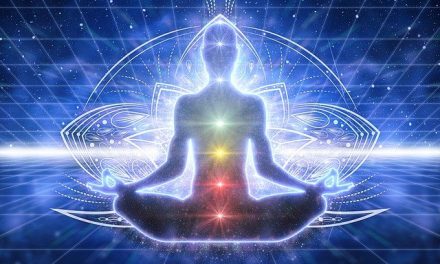
The chakra system can be a helpful way to understand emotional release. Chakras are energy centres within the human energy field. They receive, transmit and influence the flow of life force energy throughout the body.
When emotions become blocked, certain chakras may feel heavy, closed or out of balance. Healing music can help bring awareness, movement and harmony back into these areas.
For example, the Root Chakra is connected with grounding, safety, belonging and stability. When this area feels blocked, we may experience fear, anxiety, insecurity or a lack of support.
The Sacral Chakra is connected with emotions, creativity, pleasure and flow. When this area is blocked, emotions may feel stuck, suppressed or difficult to express.
The Solar Plexus Chakra is connected with confidence, self-worth and personal power. Emotional release in this area may involve letting go of self-doubt, shame or old patterns of fear.
The Heart Chakra is connected with love, compassion, forgiveness and emotional healing. Many people feel grief, sadness, tenderness or deep love in this area during healing music.
The Throat Chakra is connected with expression, truth and communication. When emotions are unspoken, this chakra may feel tight or restricted.
The Third Eye Chakra is connected with intuition, inner vision and clarity. Healing music may help calm mental noise and support deeper inner awareness.
The Crown Chakra is connected with spiritual connection, higher consciousness and trust. Music created with peaceful intention can help us feel more open, connected and supported by something greater than ourselves.
Each chakra offers a different doorway into healing.
A Simple Healing Music Practice for Emotional Release
You do not need to force anything to happen during healing music. The most important thing is to create a gentle space where your body, mind and emotions feel safe enough to relax.
Here is a simple practice you can try.
1. Choose a quiet space
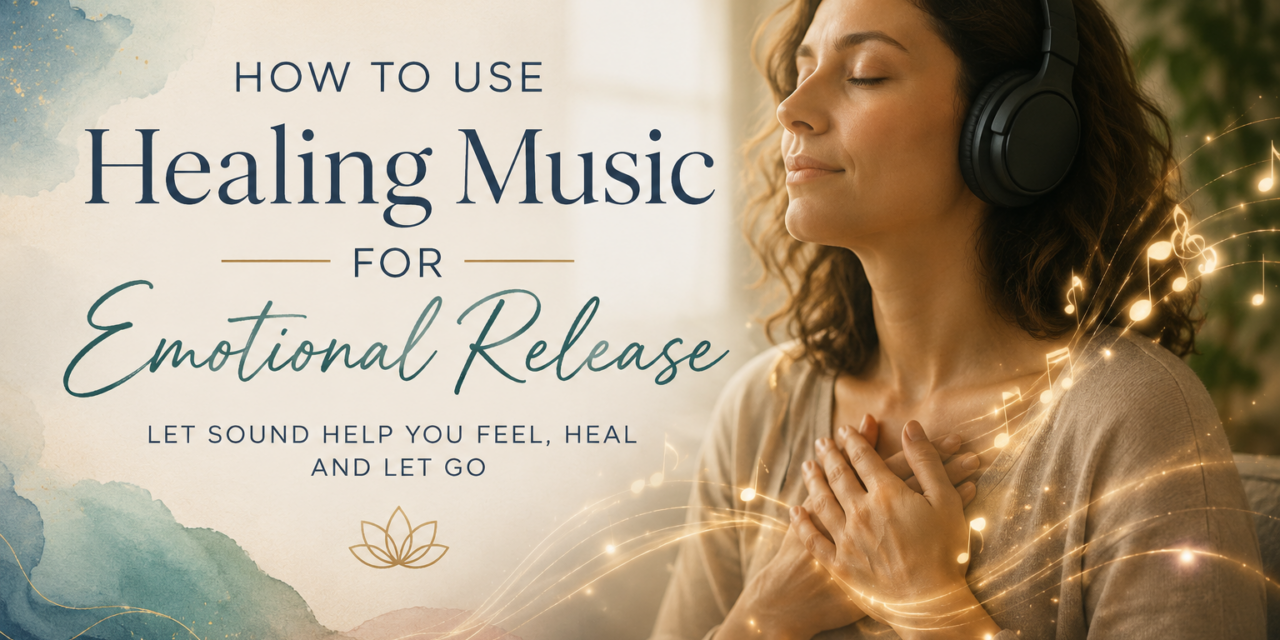
Find somewhere you can sit or lie down comfortably. Turn off distractions if possible. You may wish to use headphones, especially if you are listening to soft piano, meditation music or chakra healing music.
2. Set a gentle intention
Before pressing play, place one hand on your heart or stomach and silently say:
“I allow myself to feel what is ready to be felt. I allow myself to release what is ready to be released.”
Your intention does not need to be perfect. It simply helps focus your awareness.
3. Breathe slowly
Take a few gentle breaths in through the nose and out through the mouth. Allow the breath to soften your body.
You do not need to control the breath too much. Just notice it.
4. Listen with your whole body
As the music begins, allow yourself to listen not only with your ears, but with your whole body.
Notice where you feel the sound.
Does it soften your chest?
Does it relax your stomach?
Does it bring awareness to your throat?
Does it make you feel grounded?
Does it bring emotion to the surface?
There is no right or wrong response.
5. Allow emotions to move
If sadness arises, let it be there.
If tears come, allow them gently.
If you feel warmth, tingling, peace or stillness, simply notice it.
If nothing obvious happens, that is okay too. Sometimes healing works quietly beneath the surface.
6. Ground yourself afterwards
When the music ends, take a few moments before returning to your day. Feel your feet, hands and breath. You may wish to drink some water, write in a journal or sit quietly for a few minutes.
If you feel drawn to cleansing your energy field after emotional release, you may also enjoy my Aura Cleansing Meditation Music Video.
What Emotions Can Healing Music Help You Release?
Healing music may support the release of many emotional states, including:
Stress
Anxiety
Sadness
Grief
Fear
Frustration
Emotional heaviness
Mental overwhelm
Self-doubt
Loneliness
Tension
Unspoken feelings
Old emotional memories
For example, if you feel unsettled, anxious or disconnected, grounding music connected with the Root Chakra may be supportive.
If you feel emotionally tender or are working through forgiveness, heart-based music may feel more appropriate.
If you feel mentally busy, intuitive or calming Third Eye music may help you return to inner stillness.
You may also find guided music helpful if you need more structure. For this, you can explore my Guided Meditation for Anxiety Relief, which uses calming music and awareness to help support relaxation.
Why Tears During Healing Music Can Be a Positive Sign
Some people worry when they cry during meditation or healing music. However, tears are not always a negative experience.
Sometimes tears are the body’s way of softening.
They may represent grief leaving the heart, tension leaving the nervous system, or love returning to a part of yourself that has felt forgotten.
There are also different kinds of tears. Some feel painful. Some feel peaceful. Some feel like relief.
If tears come while listening to healing music, try not to judge them. You do not need to analyse everything immediately. Simply breathe, listen and allow the music to hold the space.
Afterwards, you may feel lighter, calmer or more connected to yourself.
Using Healing Music for Grief
Grief is one of the deepest emotional experiences we can move through. It can affect the heart, body, mind and spirit in waves.
Healing music cannot remove grief, and it should not be used to avoid the natural grieving process. However, it can offer a compassionate space where grief can be felt safely and gently.
Soft piano music, slow melodies, warm tones and peaceful soundscapes can help the heart open without pressure. Sometimes music can express what we cannot say.
If you are grieving, choose music that feels kind rather than overwhelming. Allow yourself to pause whenever needed.
You may wish to listen with a hand on your heart and simply say:
“I allow myself to feel. I allow myself to heal gently.”
To support this emotional release practice, you may wish to listen to my track Love Never Ends – Music to Soothe Grief. This piece was created to offer a gentle space for sadness, love, memory and healing to move through the heart. As you listen, allow the music to support whatever emotion is ready to soften, release or be held with compassion.
Using Healing Music for Anxiety and Overwhelm
When anxiety is present, the mind can become busy and the body may feel alert, tense or unsettled.
Healing music can help by giving the mind something gentle to focus on. Slow, repetitive, peaceful sounds can encourage the breath to settle and the body to feel safer.
For anxiety, I recommend choosing music that feels grounding rather than too emotionally intense. Root Chakra music, calming meditation music or gentle piano can be especially helpful.
You may like to begin with a short practice rather than a long one. Even five minutes of intentional listening can help create a shift.
A simple 5-minute meditation can be a beautiful place to start, such as my 5 Minute Meditation Music Video – The Heart of the Rose.
Can Healing Music Release Blocked Energy?
From an energetic perspective, emotions can sometimes feel like blocked or stagnant energy. You may feel this as heaviness, tightness, numbness, pressure or a sense of being stuck.
Healing music can help bring movement into these areas.
Rhythm can awaken energy.
Melody can soften emotion.
Vibration can bring awareness into the body.
Silence can create space for integration.
Intention can guide the healing process.
When combined, these elements can support a gentle release of emotional and energetic blockages.
This is why chakra healing music can be so effective as a personal wellbeing practice. It gives the listener a focus point and helps bring awareness to specific areas of the energy field.
How Often Should You Listen to Healing Music for Emotional Release?
There is no fixed rule. Some people benefit from listening daily, while others prefer to listen when they feel emotionally heavy, anxious or disconnected.
You may wish to try a simple routine:
5 minutes in the morning to begin the day calmly
10 minutes in the evening to release emotional tension
A chakra music session when you feel blocked
A guided meditation when your mind feels too busy
Soft music before sleep to calm the nervous system
The key is to listen with intention rather than using music only as background noise.
Even a short practice can become powerful when approached with presence.
Be Gentle With Yourself
Emotional release should never feel forced. If a piece of music feels too intense, pause and return to your breath. Choose something softer or more grounding.
Healing is not a race. Some emotions release quickly, while others soften over time.
Music can support your wellbeing, but it is not a replacement for medical care, counselling, therapy or professional mental health support. If you are experiencing severe distress, trauma, depression or anxiety, please seek support from a qualified professional.
Healing music can be a beautiful companion alongside the right care, support and self-kindness.
Final Reflection
Healing music offers a gentle way to reconnect with your emotions, calm the mind and support the natural flow of energy within the body.
Whether you are releasing sadness, stress, anxiety, grief, fear or emotional heaviness, music can provide a safe and sacred space to feel, breathe and soften.
You do not need to understand every emotion immediately. Sometimes the deepest healing begins simply by allowing yourself to listen.
Take a few moments today to choose a piece of healing music, close your eyes, breathe deeply and allow your body to receive the sound.
You may be surprised by what begins to soften within you.
Share your thoughts
I would love to hear how you experienced this article and the healing music shared on Music Energetics.
Did the music help you feel calmer, lighter, emotional, peaceful or more connected to yourself?
Please feel welcome to share your experience in the comments below.